Free legal services to 43,000 people in 15 months: Ward-level capacity building in dispute management
Kathmandu Metropolitan City has provided free legal services to approximately 43,000 individuals over the past 15 months. Judicial facilitators provided the necessary legal and administrative services to service seekers visiting for assistance.
Sharing the information, Judicial Committee Coordinator and Metropolis Deputy Mayor Sunita Dangol stated, "The services provided include preparing legal and other written documents, offering verbal legal and judicial consultation, and providing other (administrative) services." Speaking on easy access to justice during the orientation program titled "Role of Ward Offices in Dispute Management" organized by the Law and Human Rights Department, she noted that initiatives started by the Metropolis—such as ward-level dispute registration systems, women's network formation, reconciliation rooms, listing of mediators, and free legal services—have ensured geographically, procedurally, and administratively accessible justice.

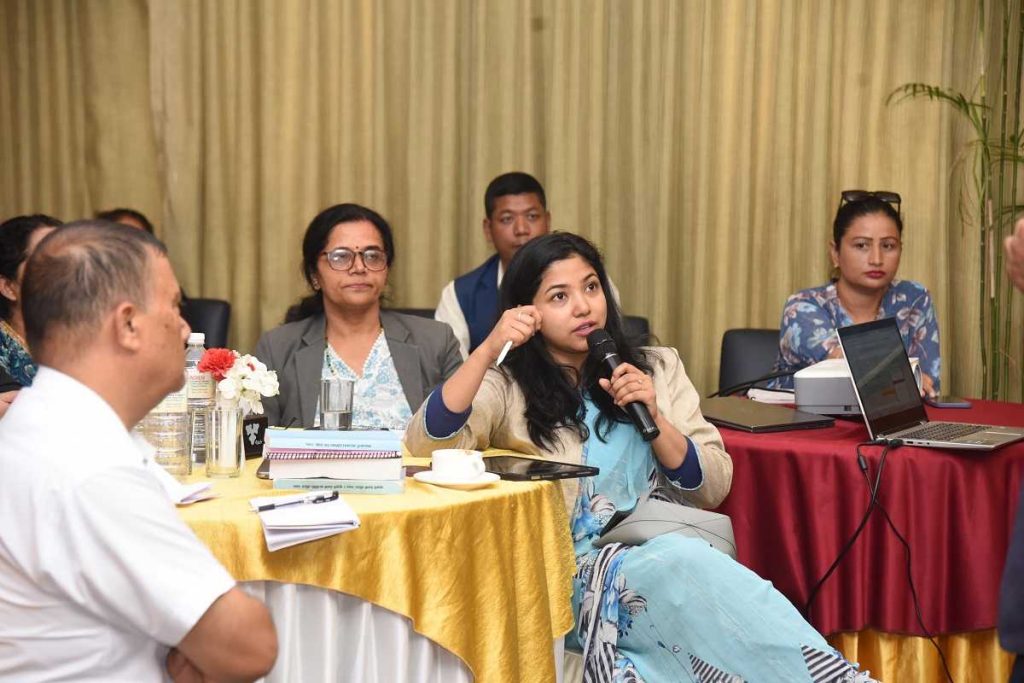
The orientation program was organized by the Law and Human Rights Department. The orientation was held to provide information regarding the roles of elected representatives, staff, and judicial facilitators in making ward-level judicial resolution work smooth, accessible, and well-managed during the current fiscal year, as well as to build their capacity for easily carrying out assigned responsibilities.
On the first day of the 2-day orientation program last Friday, representatives from Wards 1 to 16 participated, while on the second day today, coordinators of Ward Women's Networks, ward members, ward secretaries, and judicial facilitators from Wards 17 to 32 attended.
Speaking on the expected outcomes of the orientation, Deputy Mayor Dangol stated that results must be achieved across 5 indicators in judicial services at the ward level. "Tasks within jurisdiction must originate from the ward itself. Both parties in a dispute must be summoned and listened to. Reconciliation must be facilitated within the specified timeframe. If reconciliation cannot be reached, the status must be documented and forwarded to the Judicial Committee. Judicial administration work happens directly from the ward, and this will be led by the Dalit woman member. Monthly reports must be submitted to the Judicial Committee," she said.
During the opening session of the program, Chief Administrative Officer Pradeep Pariyar said, "By establishing a system where disputes are registered, endorsed/endorsed for refusal, and issues of locus standi are settled at the ward itself, the Metropolis has delivered justice services right to the citizens' doorsteps."
Legal Advisor to the Metropolis, Shekhar Poudel, stated, "Exercising a judicial mindset and following due process are crucial aspects of delivering justice. If we keep these in mind, we can ensure justice for victims."

Presenting a working paper during the orientation, Special Court Chairperson Tek Narayan Kunwar noted that the practice adopted by the Metropolis for delivering justice is exemplary. "The Constitution granted authority to local levels for quick, accessible, and affordable justice services. The Judicial Committee of Kathmandu Metropolitan City established proper processes at the ward level and made legal provisions for this." He added that this is a practice worth learning from.

Speaking on the processes that can and cannot be carried out by the ward, he said, "Judicial authority cannot be delegated. For this reason, reconciliation can be facilitated at the ward level, but signing/stamping the final settlement deed is not permitted. Wards cannot render decisions or judgments on disputes. They cannot issue orders to collect evidence, order witness depositions, freeze assets, or grant interim orders. Similarly, a written order from the Judicial Committee is required to register disputes, issue legal summons/notices, register written replies, or facilitate reconciliation." He added that the Metropolis could also adopt the practice of hearing parties using technology.
Source:- Metro News